
CIJ vs. Laser: Which coding technology is right for your packaging line?
Which coding technology is right for your packaging line?
When it comes to coding and marking on your packaging line, one choice can make all the difference: continuous inkjet (CIJ) printing or laser marking? These two technologies are widely used to add essential information like barcodes, batch numbers, and date codes directly to products.
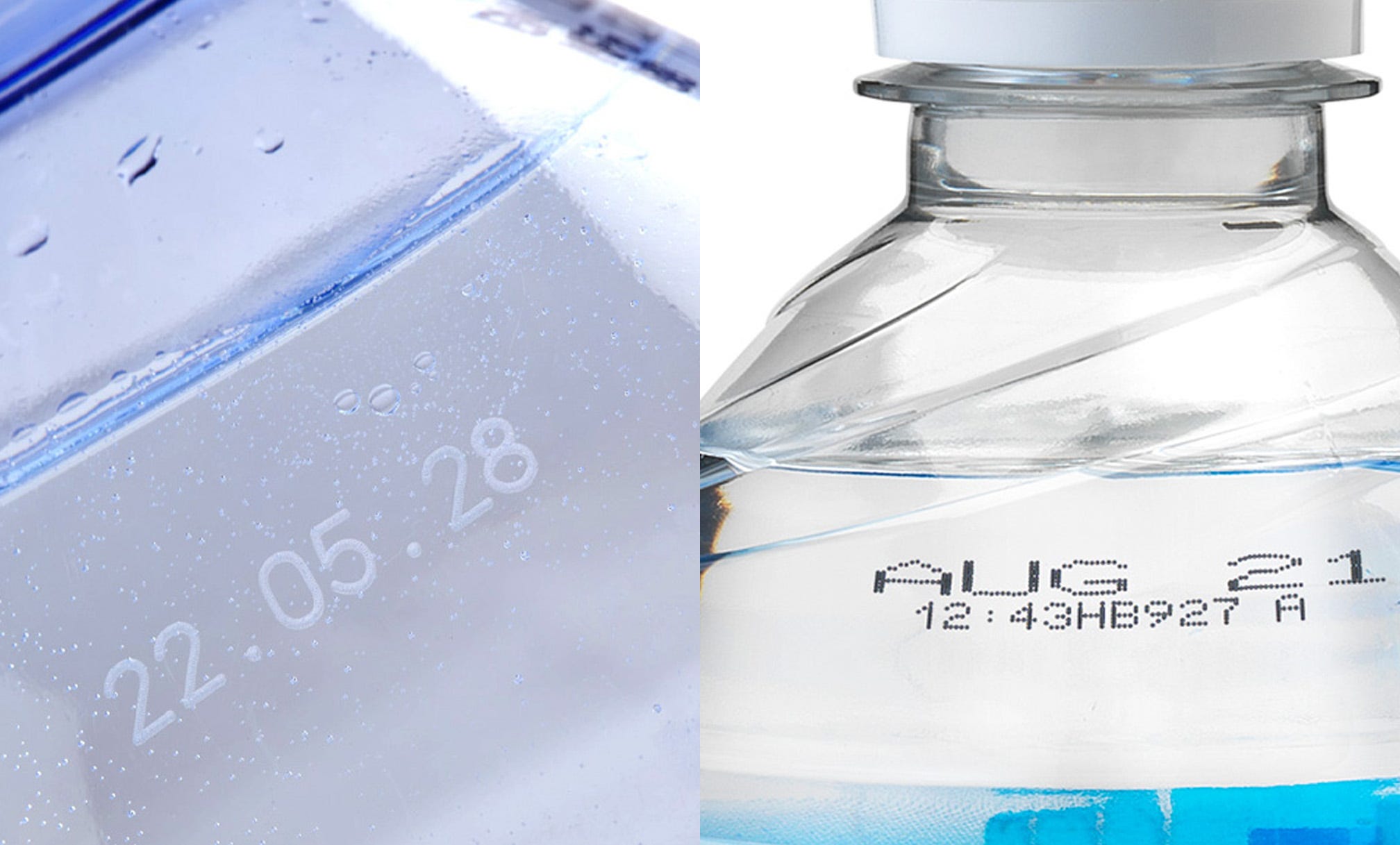
The right decision depends on factors like material compatibility, durability, cost, and sustainability goals. Selecting the ideal solution ensures efficiency, protects brand integrity, and can deliver long-term operational savings. So, how do you determine which technology is best suited for your production needs? Let’s explore the key differences, benefits, and considerations to help you make an informed choice.
 How does laser marking work and what are its benefits?
Laser marking uses focused beams of light to alter the surface of a material, creating high-quality, permanent marks that are resistant to wear and tear. It is best suited for industries that require durable, legible codes for compliance, branding, and traceability.
Which laser type should you choose: CO₂, fiber, or UV?
Laser marking systems for package coding are available in three main types, each designed to perform on specific materials:
| Laser type | Best suited for | Sample applications |
|---|---|---|
| CO₂ lasers | • Non-metallic and organic materials, such as paper, cardboard, glass, wood, and certain plastics. | 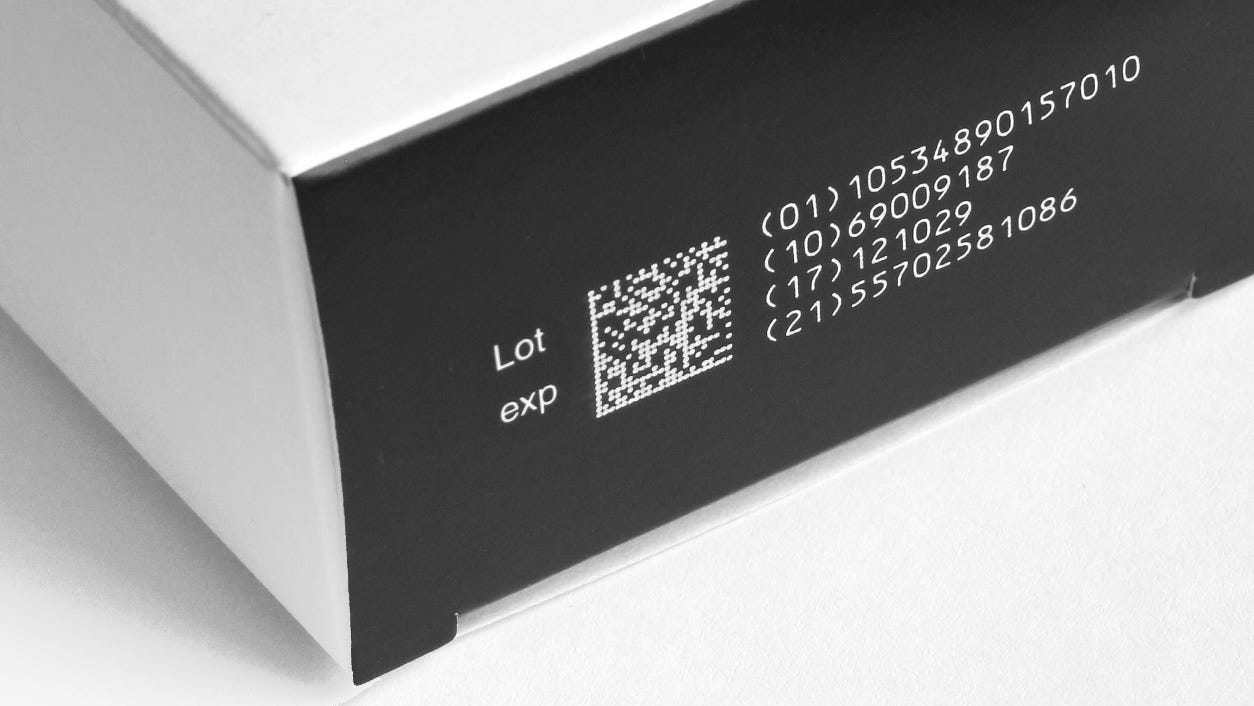 |
| • Frequently used in the food and beverage industry to mark codes on packaging like paperboard cartons, as well as PET and glass bottles. | 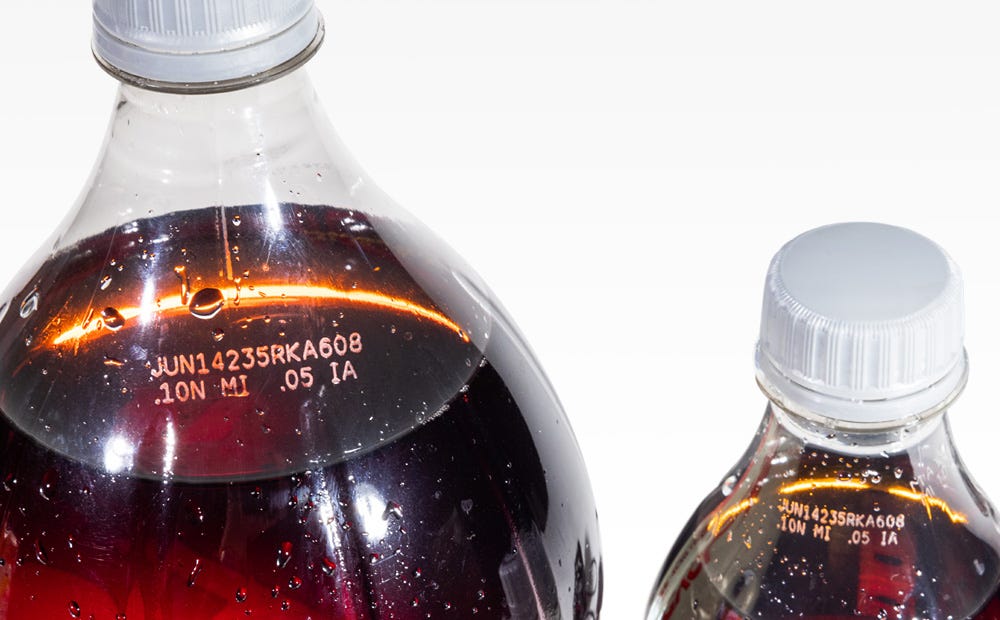 | |
| Fiber lasers | • Marking on food and beverage packaging, including cans, flexible films, foils, and labels. | 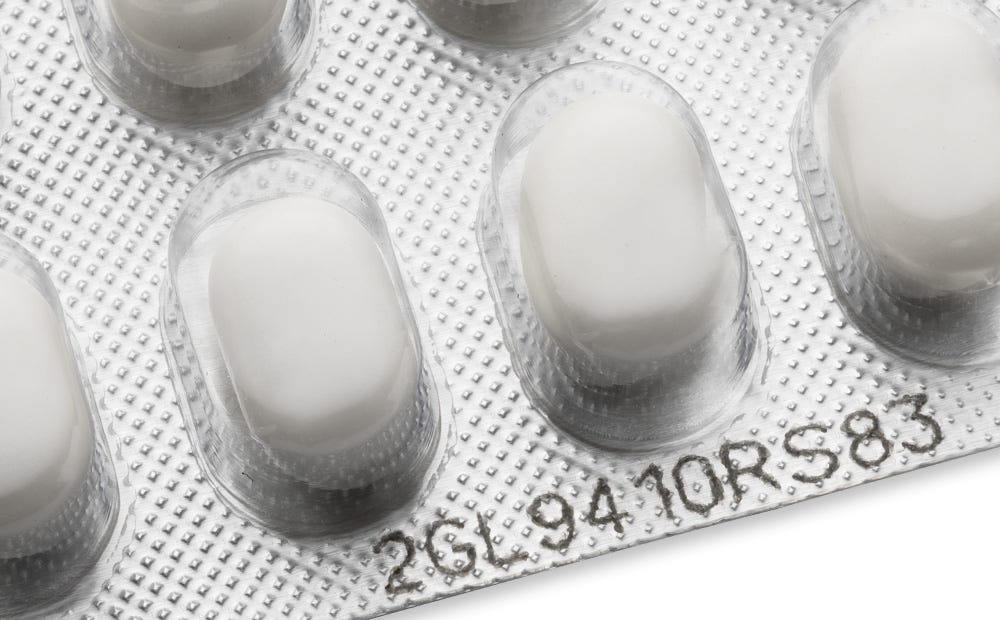 |
| • Frequently used in the automotive, aerospace, and electronics industries where permanent, high-contrast marks on durable materials are essential: high-density plastic and metal, including stainless steel, aluminum, brass; automotive parts; and electronic components. | 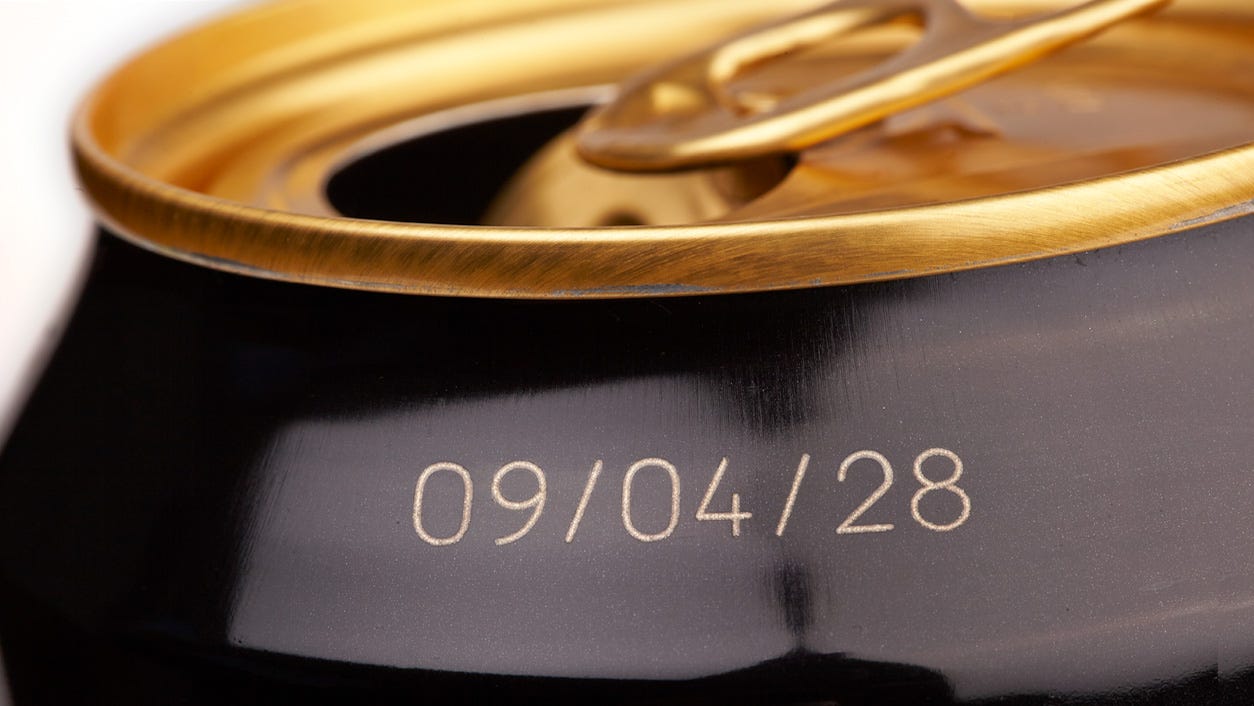 | |
| UV lasers | • Heat-sensitive materials, such as medical-grade plastics, soft polymers, and certain types of glass. | 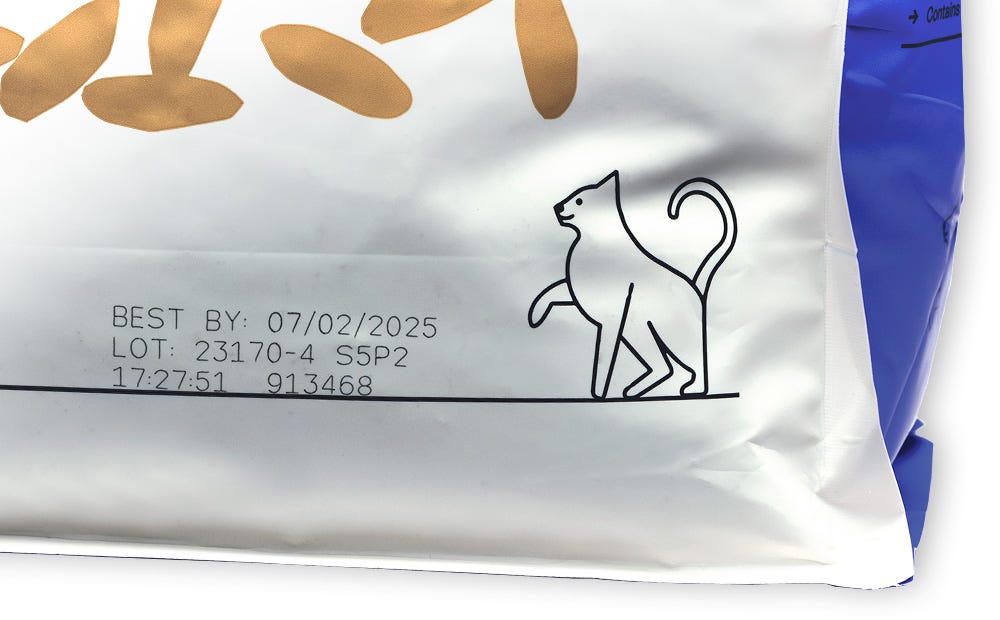 |
| • Ideal for marking on films, foils and labels, and white HDPE containers. |  | |
| • Frequently used in the pharmaceutical and healthcare industries for precise coding of medical devices and delicate materials like syringes and blister packs. |
- CO₂ lasers: Best suited for paper, cardboard, glass, and certain plastics.
- Fiber lasers: Ideal for metals and hard plastics.
- UV lasers: Perfect for heat-sensitive materials like medical-grade plastics.
 What is continuous inkjet (CIJ) printing and what are its benefits?
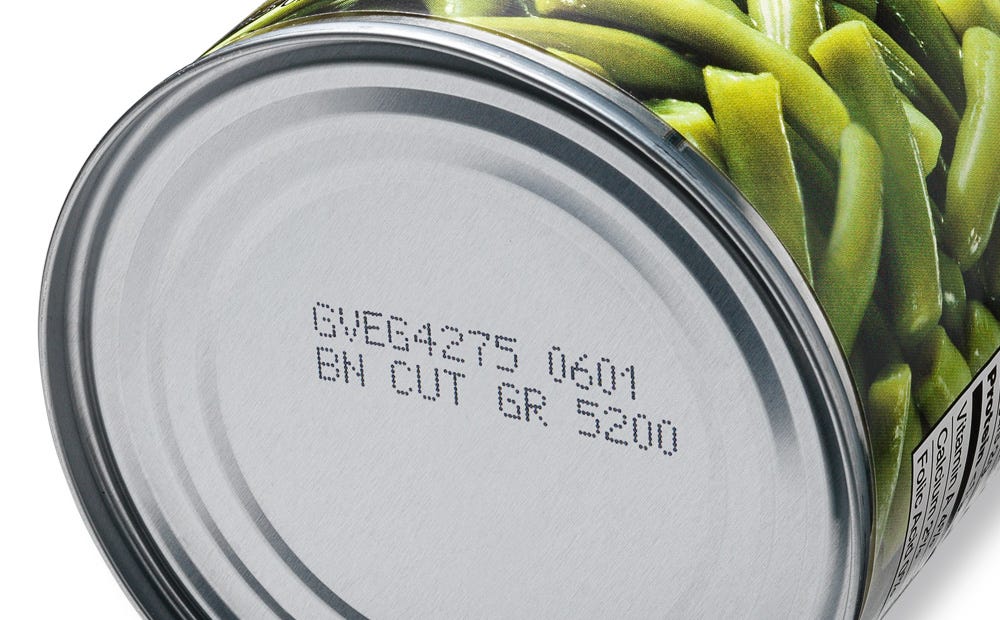
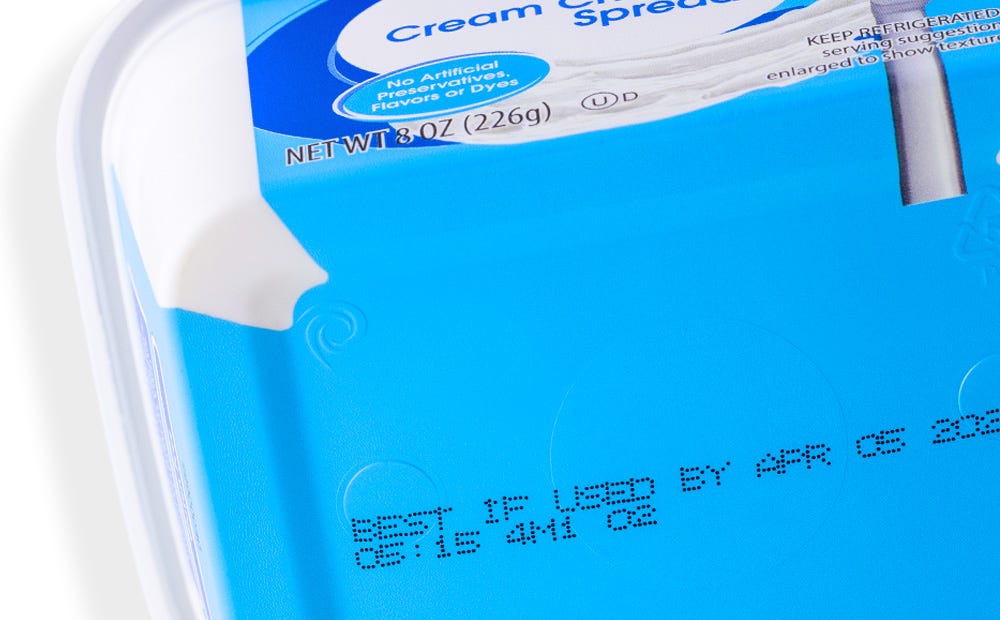
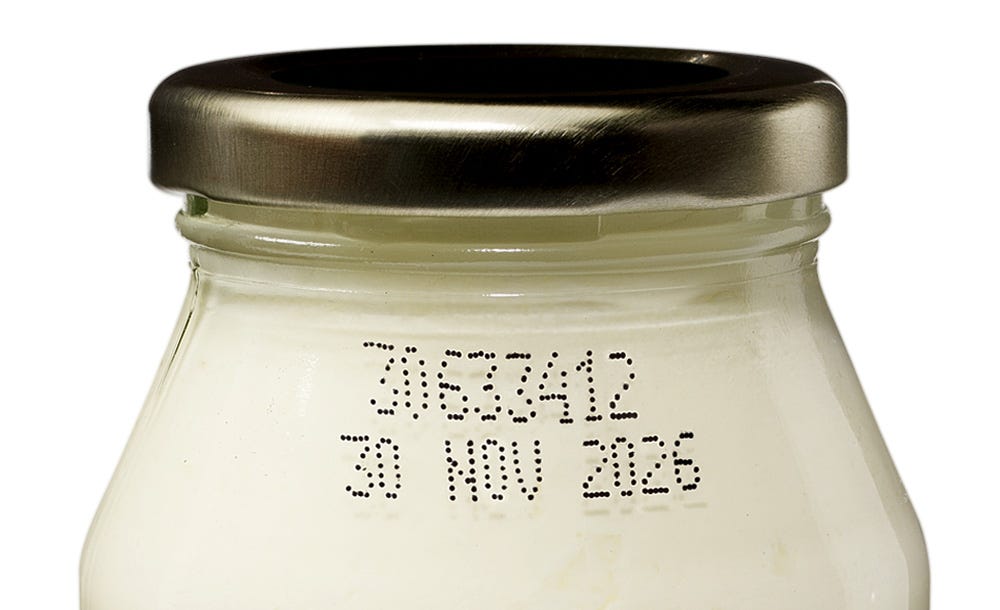
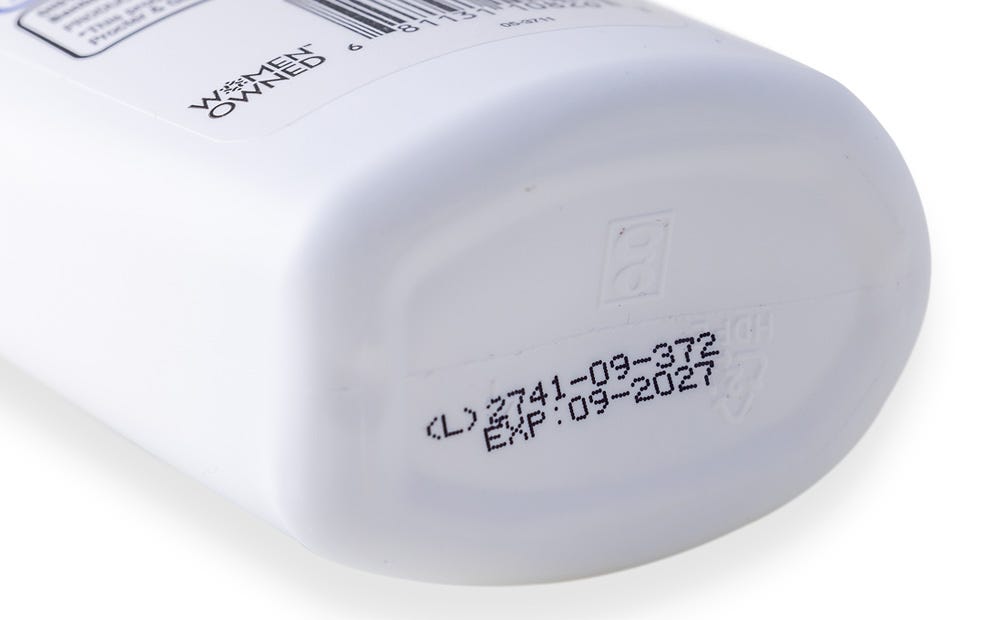
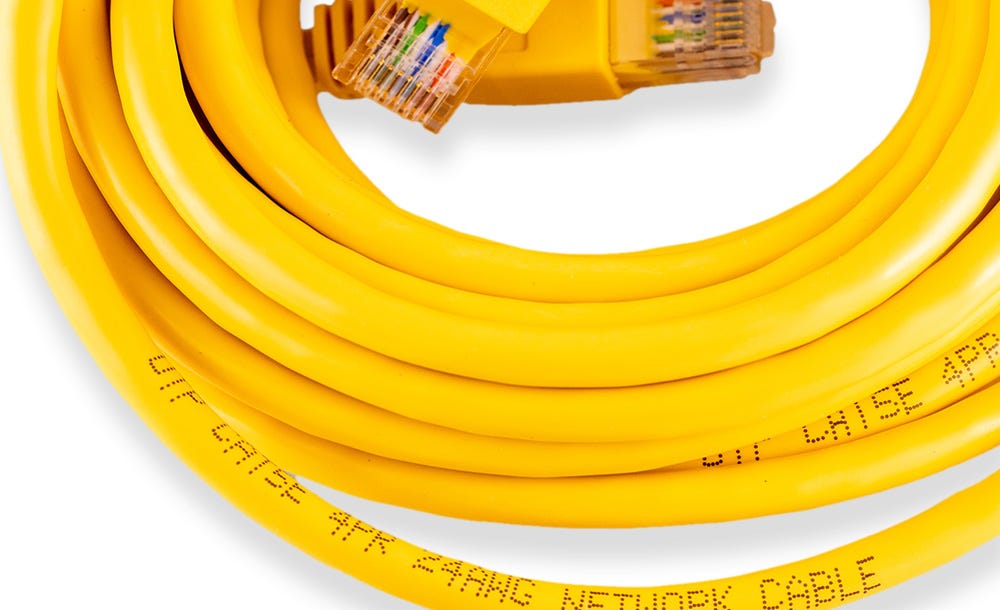
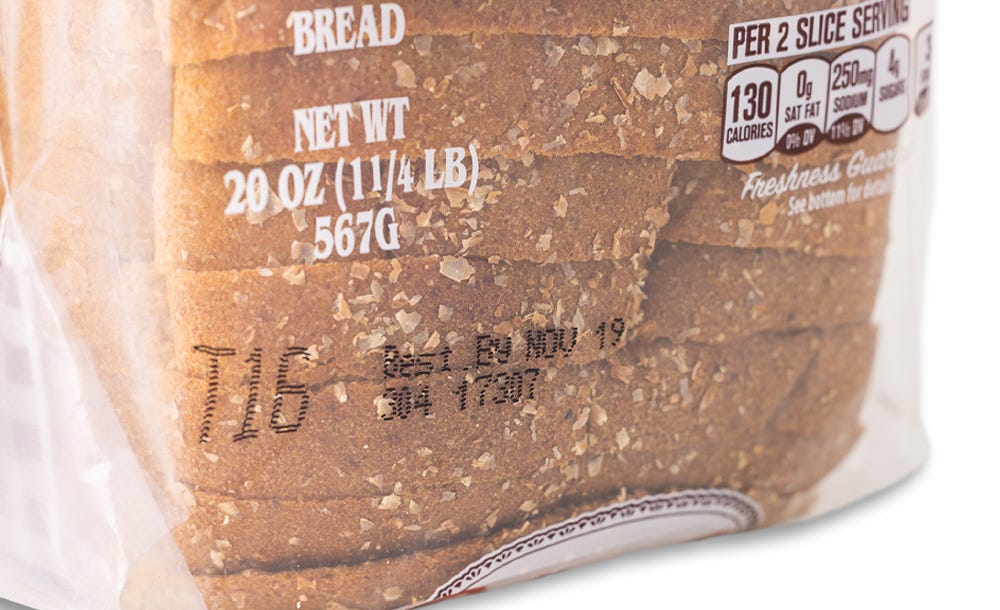
Continuous inkjet (CIJ) printing is a proven technology that excels in all production environments, from low to high speeds. It uses a continuous stream of ink droplets to create variable data, such as dates, lot codes, and barcodes, directly onto products or packaging.
Which technology is the best fit for your production line?
The decision between CIJ and laser marking comes down to your specific production needs:
 Choose laser marking if you require durable, high-quality marks that prioritize traceability, compliance, and long-term cost savings.
 Choose CIJ printing for a cost-effective, versatile solution that works across a variety of substrates, whether you’re running low, mid-range, or high-speed production lines.
Where can you get expert help to decide?
At Videojet, we recognize that no two production lines are the same. Whether you need versatile coding for a variety of substrates or permanent marking for traceability and compliance, our team of experts is here to assist. From evaluating your production line to providing sample testing, we’ll help you find the coding solution that fits your unique needs.
Contact a Videojet product expert today for a free consultation or sample testing. Let us help you find the perfect coding and marking solution to keep your production line moving.



