
The rise of the stick pack: Optimizing your production line for single-serve success


Introduction
The shift toward on-the-go convenience has made stick pack packaging one of the fastest-growing formats in the manufacturing world. From hydration multipliers and instant coffee to single-dose pharmaceutical applications, this sleek, eco-friendly alternative to the traditional sachet is taking over the shelves.
For packaging engineers and plant managers, the benefits are clear: reduced material costs and higher filling speeds. However, as production speeds increase and package sizes decrease, a critical challenge emerges: The Code.

What is a stick pack machine?

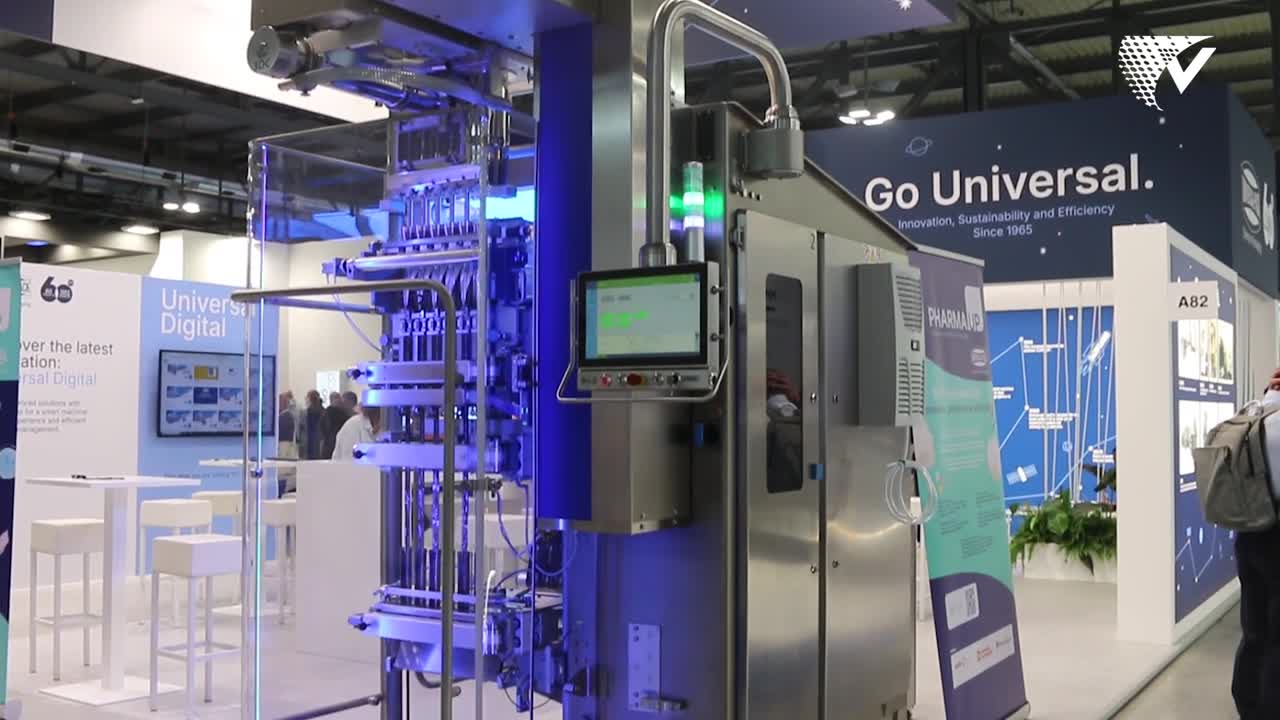
A stick pack machine is a specialized packaging system designed to produce narrow, tube-like pouches for single-serve portions of powders, granules, or liquids. These machines typically operate on multilane vertical form fill and seal (VFFS) technology, enabling high-speed production of hundreds of packs per minute. They are widely used in food, beverage, and pharmaceutical industries to reduce material costs and improve efficiency.
Which coding technologies work best for stick packs?
Choosing the right coding technology for stick pack packaging involves a detailed assessment of the production environment, packaging materials, and operational requirements. A consultative approach helps manufacturers identify solutions that align with their specific production goals, while addressing the unique challenges of stick pack applications. Key considerations include line speed, substrate compatibility, code content, and environmental factors, all of which play a crucial role in selecting the most suitable option for efficient and reliable performance.
For stick packs, two coding technologies stand out for their compatibility and versatility.
Comparison of best coding technologies for stick pack packaging
| Technology | Best suited for | Why it wins | The Videojet advantage |
|---|---|---|---|
| Thermal transfer overprinting (TTO) | High-speed film and foil webs | TTO is a proven and efficient solution for flexible packaging, delivering high-resolution (300 dpi) printing of variable data such as dates, barcodes, and logos directly onto the film web. | Modern TTO systems maximize ribbon economy, reducing changeover downtime and lowering cost-per-print. |
| Laser marking | High-volume lines requiring permanence and enhanced consumer convenience | Lasers ablate the top layer of the stick pack material to create a code that cannot be rubbed off or altered, ideal for pharmaceutical compliance and anti-counterfeiting. | With no inks or consumables to replenish, lasers offer a low Total Cost of Ownership (TCO) and fluids-free production environments. |
Built for success
Whether you are packaging probiotic powder or soy sauce, your coding equipment should be an enabler of success, not an obstacle. The Videojet focus on integration helps enable seamless mounting into your stick pack machine (e.g., OMAG, Universal Pack, etc.) and communicate flawlessly with your HMI.
Find the solution that matches your speed.
Are you planning a new stick pack line, or adding a coding solution to an existing line?

Marc Discher is a marketing leader at Videojet Technologies with extensive experience supporting OEMs in integrating coding and marking solutions into production lines. He specializes in aligning technology with complex manufacturing needs, helping global partners improve efficiency and compliance.


